


LGTC Group Logo
LGTC Background Watermark
LGTC Group Therapy Lounge
Clinical Pathways

Specialized
Day Programs

Intensive Outpatient (IOP) and Partial Hospitalization (PHP) engineered for sustained neurological and psychological recovery.

Intensive Outpatient Program (IOP) and Partial Hospitalization Program (PHP) are two types of structured outpatient treatment programs for individuals with behavioral health or eating disorder challenges. Both programs use a holistic, individualized approach blending group therapy, individual therapy, and skill-building workshops with psychiatry, nutrition support, and medical care. Programs are available in-person, virtual, and hybrid formats.

Structure Without Isolation

Our Day Programs bridge the gap between traditional weekly therapy and full residential care. We use a multidisciplinary approach to target mental health conditions while allowing patients to sleep in their own beds.

Partial Hospitalization (PHP)

5 Days / Week • 6 Hours / Day
  • Time commitment: PHPs usually involve 6-8 hours of treatment per day, 5-7 days a week.
  • Living arrangement: Patients live at home but spend most of their day at the treatment facility.
  • Intensity: PHPs are more intensive than IOPs and provide a structured environment similar to an inpatient program.
  • Treatment: A combination of group therapy, individual therapy, and other therapeutic activities like skill-building and psychoeducation.
  • Suitable for: Individuals who need more structure and support than an IOP provides but do not require 24-hour medical supervision.

Intensive Outpatient (IOP)

3-5 Days / Week • 3 Hours / Day
  • Time commitment: IOPs typically involve 3-4 hours of treatment per day, 3-5 days a week.
  • Living arrangement: Patients live at home and travel to the treatment facility for sessions.
  • Intensity: IOPs are less intensive than PHPs but more intensive than traditional outpatient therapy.
  • Treatment: Group therapy is the primary focus, with some individual therapy and skill-building sessions.
  • Suitable for: Individuals who have a stable living environment and support system but require more structure than traditional outpatient therapy.

Specialized Programs

We offer targeted clinical programs based on the primary acuity level of the presenting concern, allowing our multidisciplinary teams to focus deeply on your specific path to recovery.

Mental Health (MH) Program

This program stabilizes mental health challenges. A mental disorder is characterized by a clinically significant disturbance in an individual’s cognition, emotional regulation, or behavior.

  • Stabilizes acute mood and behavior patterns
  • Restores adaptive cognitive and relational strategies
  • Comprehensive psychiatric and therapeutic oversight

Eating Disorder (ED) Program

This program focuses on a disturbance in eating behavior that impairs a person’s ability to nourish their body. It treats the whole spectrum of eating disorders.

  • Restores healthy, structured nutritional nourishment
  • Explores physical, behavioral, and emotional triggers
  • Medical, psychiatric, and nutritional support teams

Although eating disorders, substance use, and mental health challenges are often co-occurring, our admissions team will help you identify the primary acuity focus to select the optimal program.
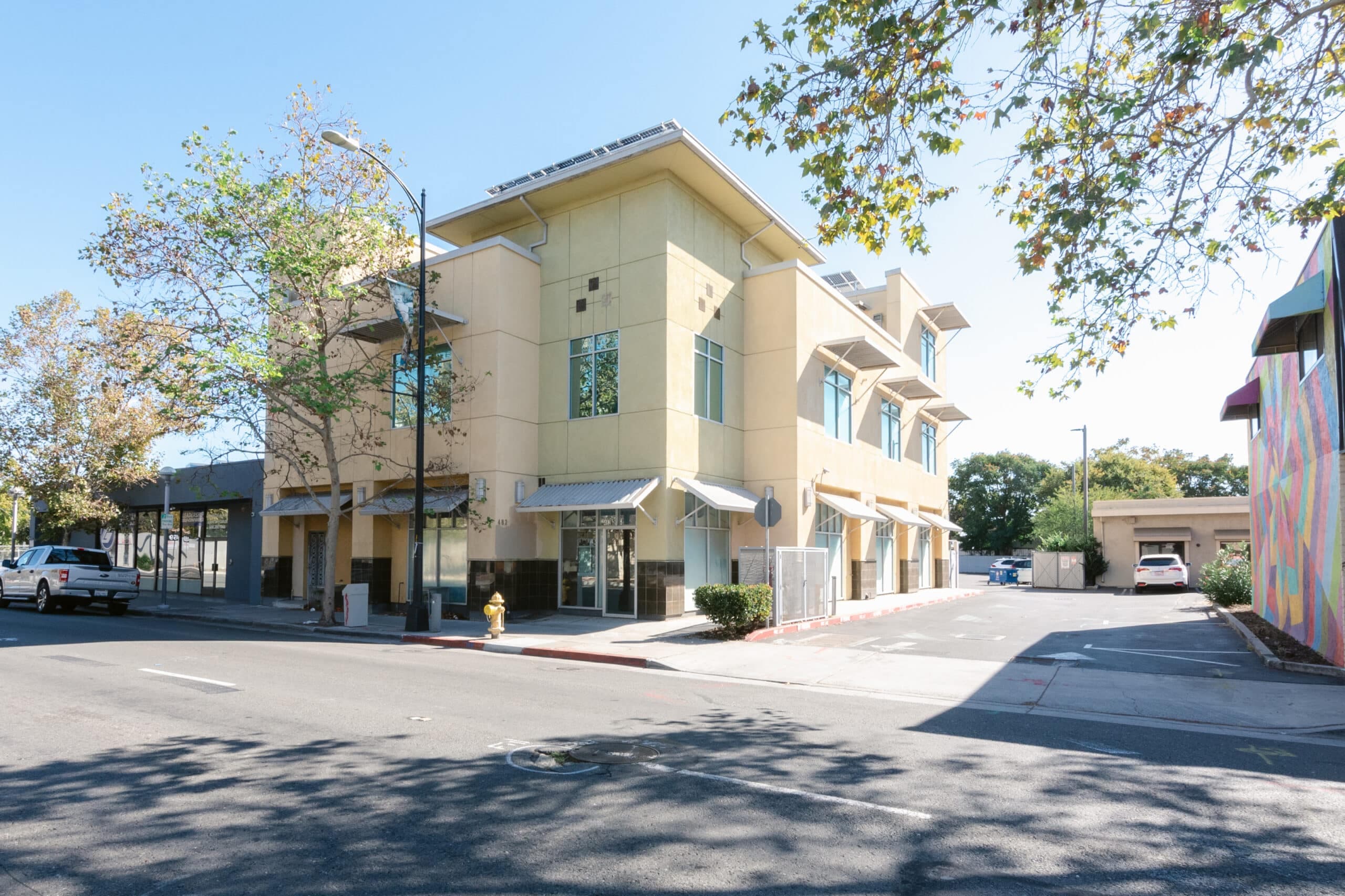

Day Program Environment & Experience

LGTC Day Programs Gallery - Photo 1
1 / 6
Expressive Arts Therapy Room

A Curated Curriculum
of Healing Modalities

Healing does not happen in a vacuum. LGTC’s day programs utilize a multi-disciplinary approach blending advanced neuroscience with profound interpersonal connection.

Psychiatric Oversight

Weekly or bi-weekly medication management and neuro-clinical assessment by board-certified psychiatrists.

Group Synergy

Skill-building and process groups utilizing Cognitive Behavioral and Dialectical Behavior frameworks.

Mind-Body Integration

Yoga, mindfulness, and expressive arts therapies designed to process trauma stored deep within the nervous system.

Find The Right Path Forward

Not sure which level of care is appropriate? Our clinical admissions team provides complimentary, confidential assessments to determine the optimal care trajectory for your specific neurobehavioral profile.

Accessibility